Build a padel starter kit for Irish courts: a beginner racket, padel shoes, balls, a bag and grips, with two good picks for each item.
Short answer: a beginner needs five things to play padel: a racket, padel or clay court shoes, a tube of padel balls, a bag and a couple of overgrips. Expect to spend about €140 to €200 at today's prices for a full kit that will last your first season.
- Racket and shoes first These two items make the biggest difference to how you play and how safe you are on court.
- Padel balls, not tennis balls Padel balls are built to padel specs. Tennis balls bounce differently off the glass.
- Grips are cheap insurance A fresh overgrip costs a few euro and stops the racket twisting in a sweaty hand.
- Skip the extras for now Racket protectors, ball pressurisers and pro bags can wait until you play every week.
What do you need to start playing padel?
Most new players turn up with a borrowed racket and running shoes. That works for one session. If you are going to keep playing, these are the essentials, in order of importance.
- A beginner racket. Round or teardrop, 350 to 370 g, with a soft core. See our best padel rackets for beginners for the full shortlist.
- Padel or clay court shoes. Padel courts are sandy artificial grass, and running shoes slide on it. Our best padel shoes guide explains what to look for.
- Padel balls. One tube of three is plenty to start, and somebody in your group will usually bring a fresh tube.
- A bag. Anything that carries a racket, shoes and a water bottle. A padel backpack with a racket sleeve keeps it simple.
- Overgrips. A tacky overgrip wrapped over the handle stops the racket slipping and is easy to replace.
Padel Player earns a small commission if you buy through links on this page. It never changes which products we recommend.
The core kit at a glance


What can you skip as a beginner?
Plenty of padel gear is useful later but not on day one. Racket protector tape, ball pressurisers, thermo bags and padel-specific clothing can all wait. Normal sports clothes are fine, as long as you can move sideways freely.
You do not need a carbon racket either. A fibreglass racket with a soft core is more forgiving and cheaper to replace if you clip the glass. Our guide on how to choose a padel racket explains the difference.
How much does a padel starter kit cost?
At today's prices, a sensible kit from this page costs roughly €140 to €200. The racket and shoes make up most of that. Balls, a bag and grips add around €30 to €60 between them.
Court time is the ongoing cost. Padel LK in Limerick, for example, charges €40 to €48 per doubles court hour, or €10 to €12 each when four of you split it. A full kit costs about the same as three to five months of weekly games.
Which racket should you start with?
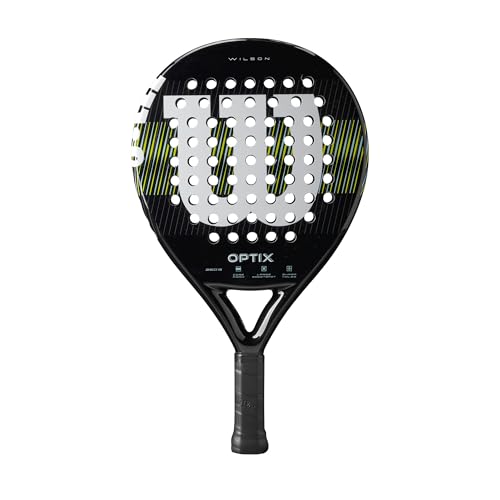
Pick a round racket with a soft core. Both of these are forgiving and easy on the arm.
Round, soft and easy to control
Wilson’s starter racket keeps the weight near your hand for quick reactions at the net. The low-density foam core feels soft, and the fibreglass build adds easy pop.
| Shape | Round |
| Weight | About 360 g |
| Balance | Low (265 mm) |
| Core | Low-density foam |
| Face | Fibreglass |
| Suits | Complete beginners |

Forgiving round racket for less
The Megamax gives you a forgiving round head and even balance at a very low price. The graphite face feels a little firmer than fibreglass.
| Shape | Round |
| Weight | 360 to 370 g |
| Balance | Medium, even |
| Core | Pro EVA |
| Face | Graphite |
| Suits | Trying padel on a budget |
Which shoes should you start with?
Choose shoes with a padel, clay or herringbone sole. These two are good-value entry pairs.
Proper padel grip at an entry price
The Courtquick uses an Adiwear rubber sole with a multi-directional pattern made for padel, and a Bounce midsole that feels comfortable from day one.

Stable, cushioned entry shoe
The Gel-Dedicate is ASICS’s entry padel shoe. GEL cushioning softens landings, and the padel outsole grips sandy turf while you learn to move sideways.
Which padel balls should you buy?
Always use padel balls. The FIP ball specification sets a bounce of 135 to 145 cm from a 2.54 m drop, which suits the smaller court and the glass walls. Balls lose pressure after a few sessions, so a cheap tube for practice and a fresh one for matches is a good habit.
Durable, faster version of a popular ball
HEAD’s Padel Pro S+ is a speed-enhanced take on the Padel Pro. A reformulated core holds its pressure for longer and the padel-specific felt resists wear.

FIP-approved balls at a low price
Dunlop’s Pro Padel balls are approved by the International Padel Federation, so they are fine for club matches, and they cost very little per tube.
Which bag should you buy?
You only need room for a racket, shoes, balls and a bottle. A backpack with a racket sleeve is the easiest option. Once you own two rackets, look at our guide to padel bags.
Simple backpack with space for a racket
The Bullpadel Tour Backpack is a no-fuss way to carry a racket and your kit. It is light, cheap and easy to throw in the car.

Two compartments and backpack straps
HEAD’s Base Padel Bag M has two large compartments, so rackets and shoes stay apart, plus backpack-style straps for carrying it on your back.
Which overgrips should you buy?
Overgrips wrap over the racket handle to add tack and soak up sweat. Change them when they turn shiny or start to tear. Most players get a few weeks from one.
Thin overgrip that keeps a feel for the handle
HEAD’s Padel Pro overgrip is thin, so you can still feel the shape of the handle, and it is cheap enough to replace often.
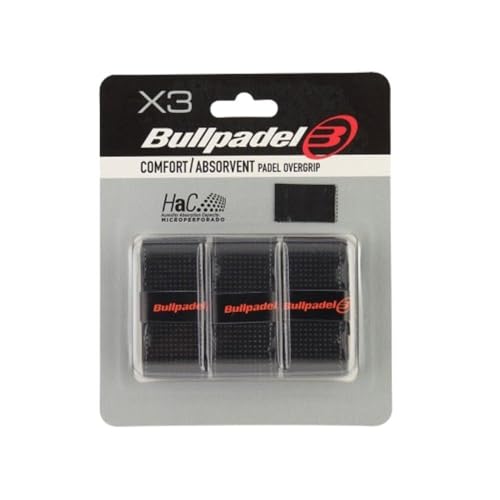
Three thin, perforated overgrips
Bullpadel’s GB-1201 pack gives you three light, thin overgrips with micro-perforations that help with sweaty hands.
What else should beginners know before their first game?
Check that your racket's wrist cord is attached. The FIP Rules of Padel make wearing it compulsory, and it stops a slipping racket hitting your partner.
Build up your playing time gradually. A review of padel injury research in BMJ Open Sport and Exercise Medicine found the elbow and knee were among the most commonly injured areas. A light racket and proper shoes take a lot of strain off both.
You will pick it up quickly. A Cavan coach told the Irish Farmers Journal that the walls and the underarm serve keep rallies going from the first session, which is why padel suits complete beginners.
Book ahead, too. The Irish Examiner reports peak-hour slots at some Cork clubs booked almost a week in advance.
Ready to compare more rackets? Our best padel rackets in Ireland guide covers every type and budget.
Kitting out a woman or a junior? See our padel shoes for women and kids padel rackets. To keep your kit fresh, read our guides to padel balls and padel accessories.
Starter kit questions
What equipment do I need for padel?
A padel racket, court shoes with a padel or clay sole, padel balls, a bag and an overgrip. Normal sports clothes are fine.
Can I use tennis balls for padel?
It is not a good idea. Padel balls are made to padel specifications for the smaller court and the walls, and tennis balls bounce differently.
Do I need padel clothes?
No. Any breathable sports clothing works. Choose shorts or leggings you can lunge sideways in.
How often should I change padel balls?
Balls lose pressure after a few sessions. Keep older balls for practice and open a fresh tube for matches.
Should I buy a racket set instead?
A set of two rackets with balls can be good value for couples or friends starting together. See our guide to padel racket sets.